The evolution of gambling A journey through time with Chicken Road
The Historical Roots of Gambling
The practice of gambling dates back thousands of years, with evidence suggesting that ancient civilizations engaged in games of chance using rudimentary tools. Archaeological findings from places like China and Mesopotamia reveal that early forms of dice were made from materials such as bones and wood, indicating a human fascination with the unpredictable nature of chance. These primitive games laid the groundwork for gambling as we understand it today, evolving from simple pastimes into complex societal activities. The Chicken Road App is an exciting example of how modern technology is reshaping entertainment, as seen on https://chickenroadapp.ca/, blending gaming and gambling into a unique experience.

As civilization advanced, so too did gambling. The Romans, for example, not only embraced various games of chance but also integrated them into their culture and events. From betting on gladiatorial contests to chariot races, gambling became intertwined with entertainment. This progression illustrated society’s deep-rooted fascination with risk and reward, further developing the notion that gambling was not merely a game but a cultural phenomenon that influenced social interactions and economy.
The Middle Ages saw a significant transformation in gambling, with the introduction of card games, which would eventually lead to the development of modern gambling practices. The emergence of games like poker and blackjack highlighted the strategic elements involved in gambling, shifting the focus from luck to skill. This evolution marked a pivotal moment in gambling history, as it began to be viewed as an arena for both chance and intellect.
The Rise of Modern Gambling
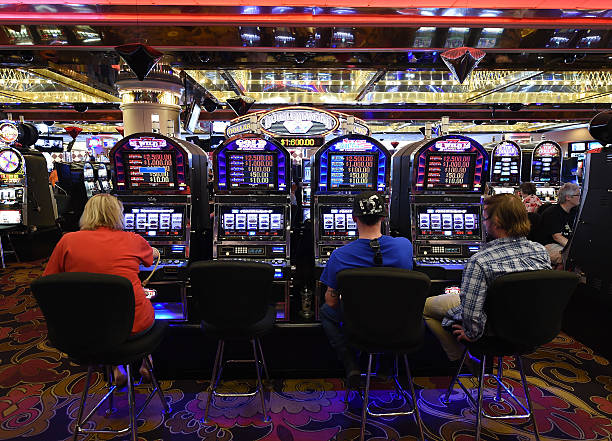
The 20th century marked a groundbreaking shift in the gambling industry, catalyzed by the establishment of casinos in Las Vegas. This iconic city emerged as a gambling hub, attracting millions of visitors eager to experience the thrill of betting in a luxurious setting. With the introduction of slot machines, blackjack tables, and poker rooms, Las Vegas reinvented gambling as a glamorous and exciting leisure activity, paving the way for a global gambling culture.
The advent of the internet in the late 20th century further transformed gambling. Online casinos began to emerge, offering players the convenience of betting from the comfort of their homes. This shift not only expanded the audience but also created new opportunities for gambling operators. The rise of digital platforms brought innovative features, including live dealer games and mobile apps, revolutionizing the way people engage with gambling.
The digital landscape continued to evolve with the introduction of virtual reality and blockchain technology. These advancements created immersive gaming experiences and ensured transparency in transactions. Online gambling became more secure and accessible, attracting a diverse range of players. The modern gambling scene reflects a blend of traditional practices and cutting-edge technology, making it a dynamic industry constantly adapting to new trends.
The Cultural Impact of Gambling
The cultural significance of gambling cannot be understated. It has been a source of entertainment and economic activity while also igniting debates around ethics and morality. Popular culture often portrays gambling as glamorous and exciting, influencing people’s perceptions and attitudes. Movies, television shows, and even literature have romanticized the idea of high-stakes gambling, shaping societal beliefs about luck and fortune.
However, this allure can have a darker side, leading to issues such as addiction and financial distress. Responsible gambling initiatives have emerged in response, aiming to promote safe play practices and support those struggling with gambling-related problems. Communities are increasingly recognizing the need for education and resources, emphasizing a balanced view of gambling as both an enjoyable activity and a potential risk.
The integration of gambling into various cultural contexts showcases its versatility. From charity events to sports betting, gambling has found a place in diverse aspects of society. The acceptance of sports betting in particular reflects a broader trend towards legalization and regulation, showcasing how gambling continues to adapt and evolve while remaining relevant to contemporary culture.
The Future of Gambling with Technology
Looking ahead, the future of gambling appears closely tied to advancements in technology. The growth of mobile apps and online platforms indicates a trend towards increased accessibility and convenience for players. As more people turn to their smartphones for entertainment, mobile gambling is set to expand, offering a seamless and engaging user experience. Applications like Chicken Road demonstrate how gamification can enhance the gambling experience, making it more interactive and enjoyable, showing that the Chicken Road Application has great potential.
Moreover, artificial intelligence (AI) is set to revolutionize the gambling industry by personalizing user experiences. AI can analyze player behaviors and preferences, tailoring offerings to individual needs. This level of personalization will likely enhance player engagement, as well as increase customer retention rates for gambling operators. The Chicken Road App Legit features, along with the integration of chatbots and virtual assistants, could further streamline customer service, ensuring that player inquiries are addressed promptly.
The regulatory landscape surrounding gambling is also evolving, with governments exploring frameworks to accommodate emerging technologies. As cryptocurrencies become more mainstream, the potential for blockchain in gambling could lead to enhanced transparency and security. This evolution reflects a broader societal shift towards digital currencies, indicating that the future of gambling will likely encompass both innovation and regulation to ensure player safety and fairness.
The Chicken Road Experience
As the gambling industry continues to grow and change, innovative applications like Chicken Road are at the forefront of blending gaming and gambling elements. The Chicken Road app, with its engaging gameplay and humorous twist, captures the spirit of modern gaming while appealing to a diverse audience. Players navigate challenges in a lighthearted manner, which demonstrates how fun and entertainment can coexist within the gambling world.
This app also highlights the growing trend of mobile gaming, as it allows users to enjoy gameplay on-the-go. The addictive nature of Chicken Road encourages repeated play, thus mirroring traditional gambling strategies where players seek to improve their skills and win rewards. In this context, the app serves as a microcosm of the broader trends in the gambling industry, blending casual gaming with competitive elements.
Ultimately, the Chicken Road app reflects a commitment to entertainment and community engagement. By incorporating features like global leaderboards and unlockable characters, it fosters a sense of competition among players, making each session uniquely rewarding. The app not only entertains but also offers insights into the evolving landscape of gambling, showcasing how technology can enhance user experiences in diverse ways.